
Pediatric dentistry
Fissure sealants for children
The chewing surface of a permanent molar is not flat — it is a system of narrow grooves. Sealing closes them while the tooth is still healthy.

Why molars in particular
The grooves on the chewing surface, called fissures, are often narrower at their base than a single toothbrush bristle. Food debris and bacteria get in; the brush does not.
The eruption phase is the riskiest moment. A molar that has only half emerged sits lower than its neighbours and gets skipped during brushing again and again. That is exactly why decay in school-age children so often starts on the first permanent molar.
How it is done
Sealing involves no drilling, and no anaesthetic is needed for it.
- 1
Check
The fissure is first confirmed to be free of decay. A tooth with hidden decay must not be sealed.
- 2
Clean
The chewing surface is cleaned and dried thoroughly — the step that determines how long the seal lasts.
- 3
Prepare
The enamel surface is briefly roughened so the material can lock into it micro-mechanically.
- 4
Seal
A free-flowing resin runs into the grooves and is hardened with a curing light.
- 5
Review
The bite is checked. At every later routine visit the sealant should be checked for wear.
What insurance covers
German statutory health insurance covers sealing of the permanent first and second molars in children and teenagers, provided the teeth are free of decay. Baby molars and premolars are not automatically included.
Whether sealing beyond that is worthwhile depends on the individual cavity risk. What is covered should be clarified before treatment.
Common questions
Does a sealant last forever?
No. It takes the load of chewing and can wear at the edges. That is why checking sealants is part of every routine appointment; a worn area can be topped up quickly.
Does sealing replace brushing?
No. Only the chewing surface is sealed. The spaces between the teeth and the surfaces along the gum line stay exactly as vulnerable as before — those still depend on good preventive care and regular brushing.
At what age does it make sense?
As soon as the tooth has erupted far enough to be kept dry during the procedure. For the first permanent molars that is usually during primary school, for the second molars a few years later.
Related treatments
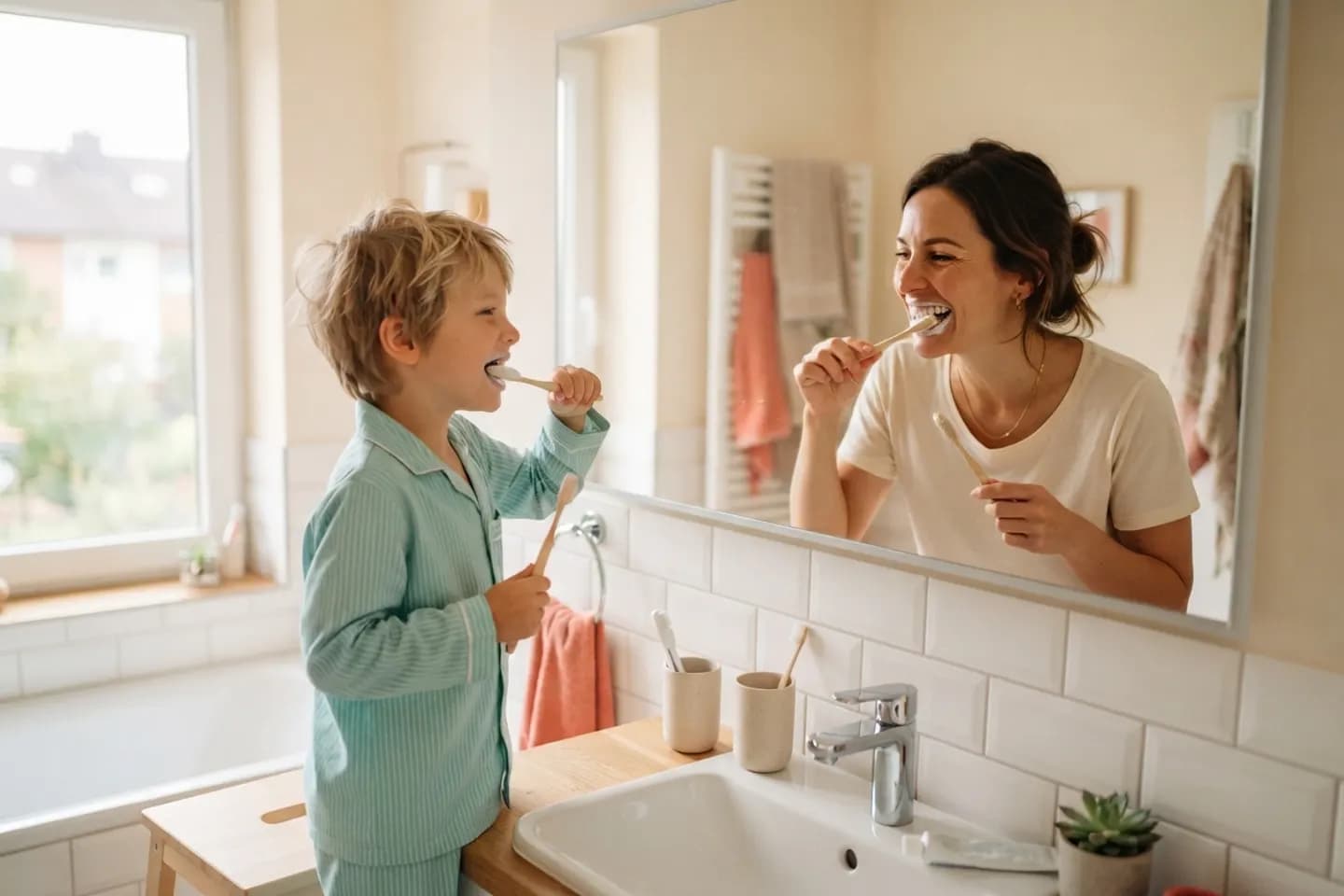
Prevention & cavity care
Regular check-ups, cleaning and age-appropriate coaching, so that cavities have as little chance as possible to start.
Learn more
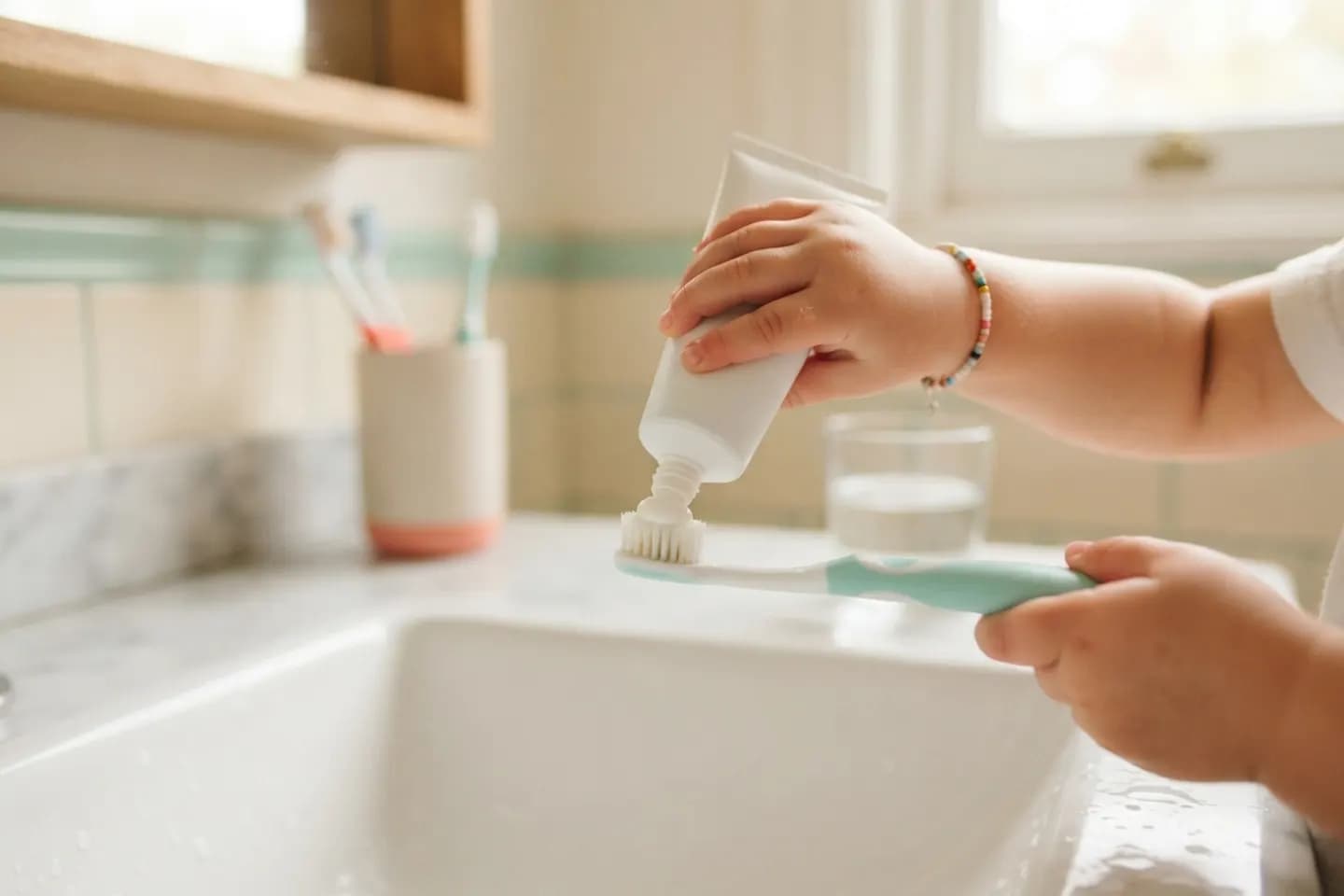
Fluoride treatment
Fluoride varnish makes enamel more resistant. How often it is worth applying depends on cavity risk.
Learn more
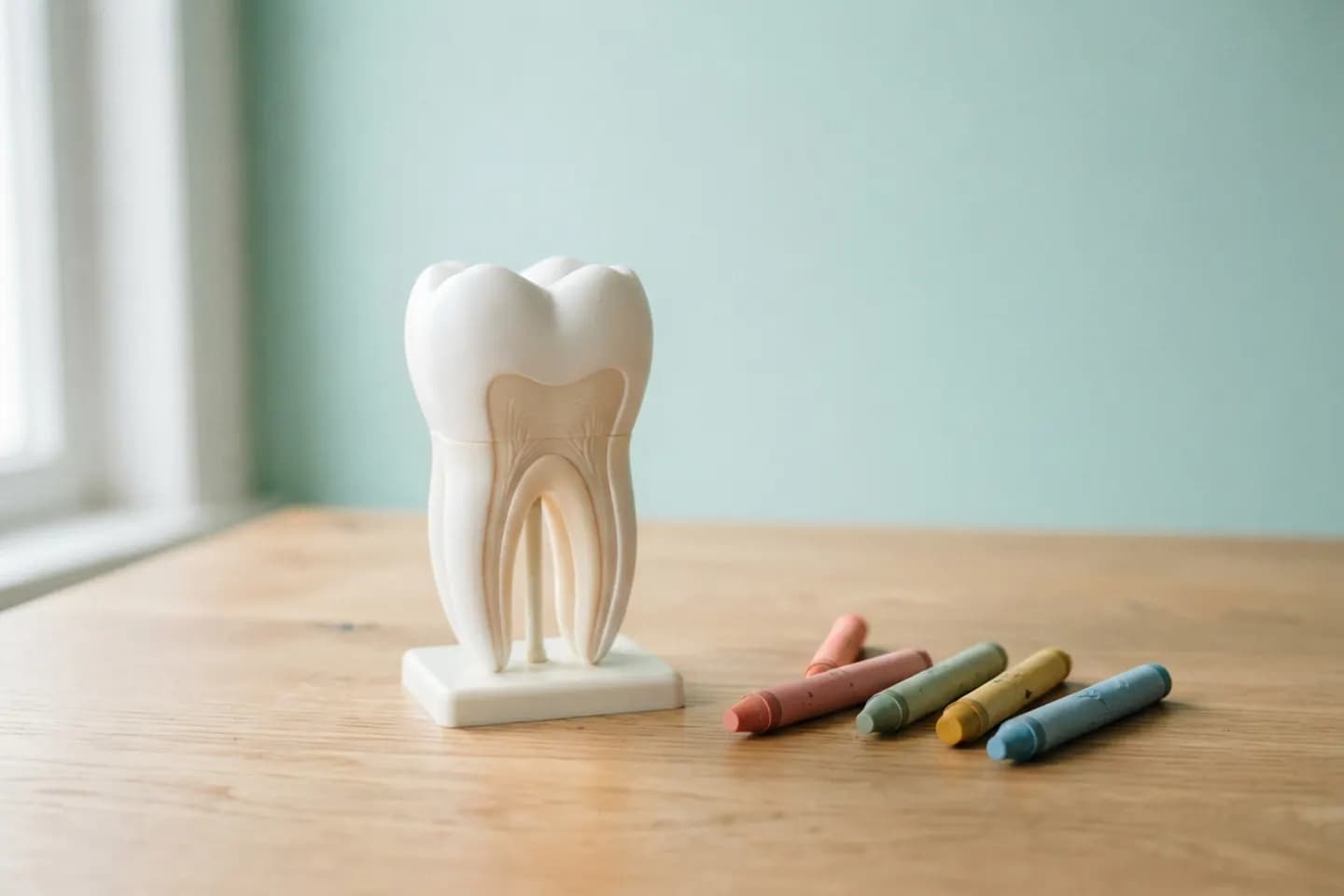
Fillings
Once decay has broken through the enamel, the damage is removed and the tooth is sealed again.
Learn more
Questions about fissure sealants?
Whether sealing is worthwhile for your child, and when, can only be judged at the tooth itself.