
Treatments
Pediatric dentistry: the topics explained
Pediatric dentistry is not adult dentistry in miniature. Baby teeth have a different anatomy, a different time horizon and different treatment goals.

What makes children's dentistry different
A baby tooth has a thinner layer of enamel and a comparatively large pulp. Decay therefore reaches the nerve faster than in a permanent tooth, and a small finding can become a much larger treatment within a few months.
At the same time, every baby tooth has an expiry date. So the question is never only “how is this tooth treated?” but always also “how much longer does it need to last, and what comes after it?”
All topics
Each page explains in general terms when the treatment is appropriate, what happens during it, and what follows.

Prevention & cavity care
Regular check-ups, cleaning and age-appropriate coaching, so that cavities have as little chance as possible to start.
Learn more

Fissure sealants
The deep grooves in permanent molars are sealed while they are still healthy, so decay cannot take hold.
Learn more
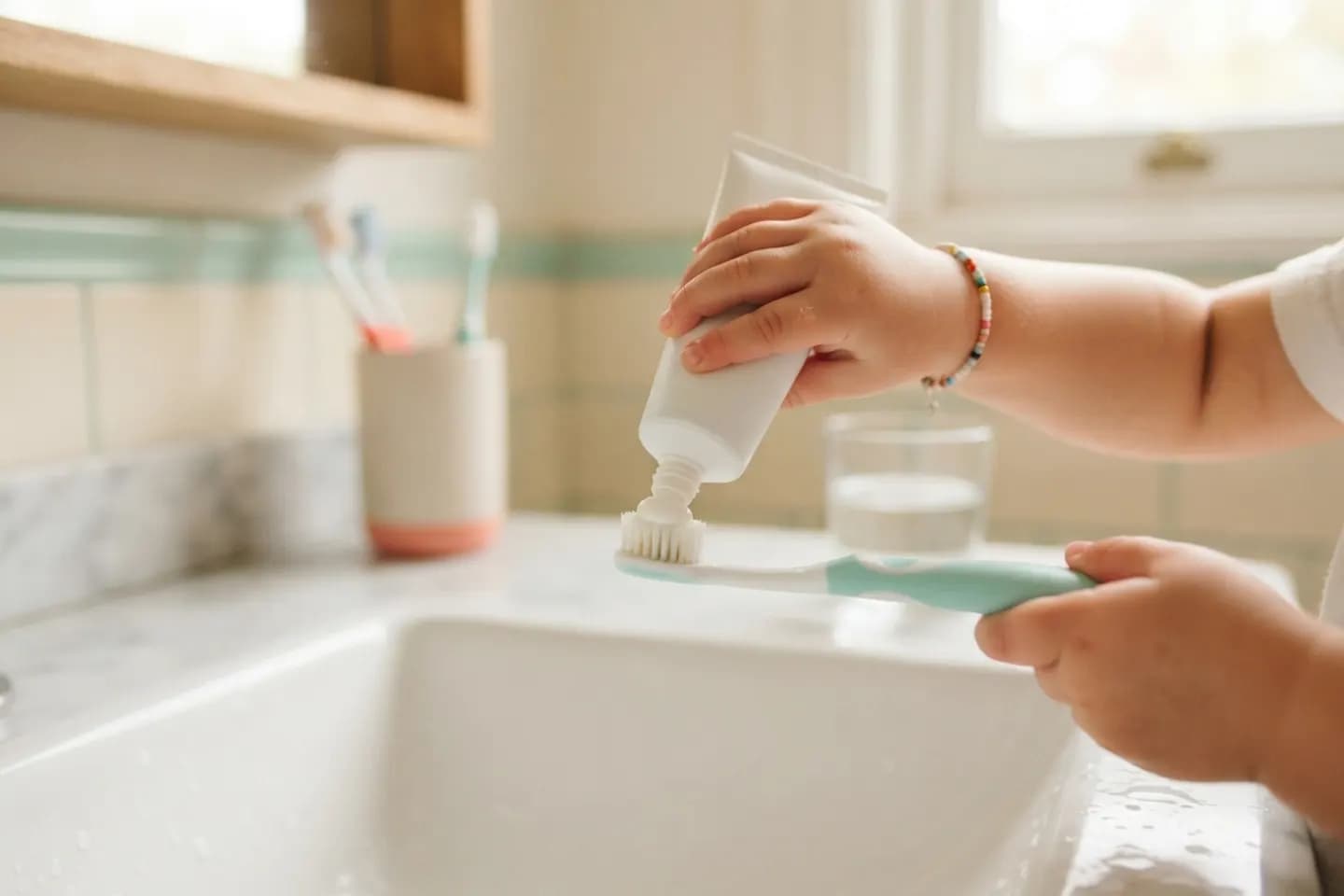
Fluoride treatment
Fluoride varnish makes enamel more resistant. How often it is worth applying depends on cavity risk.
Learn more
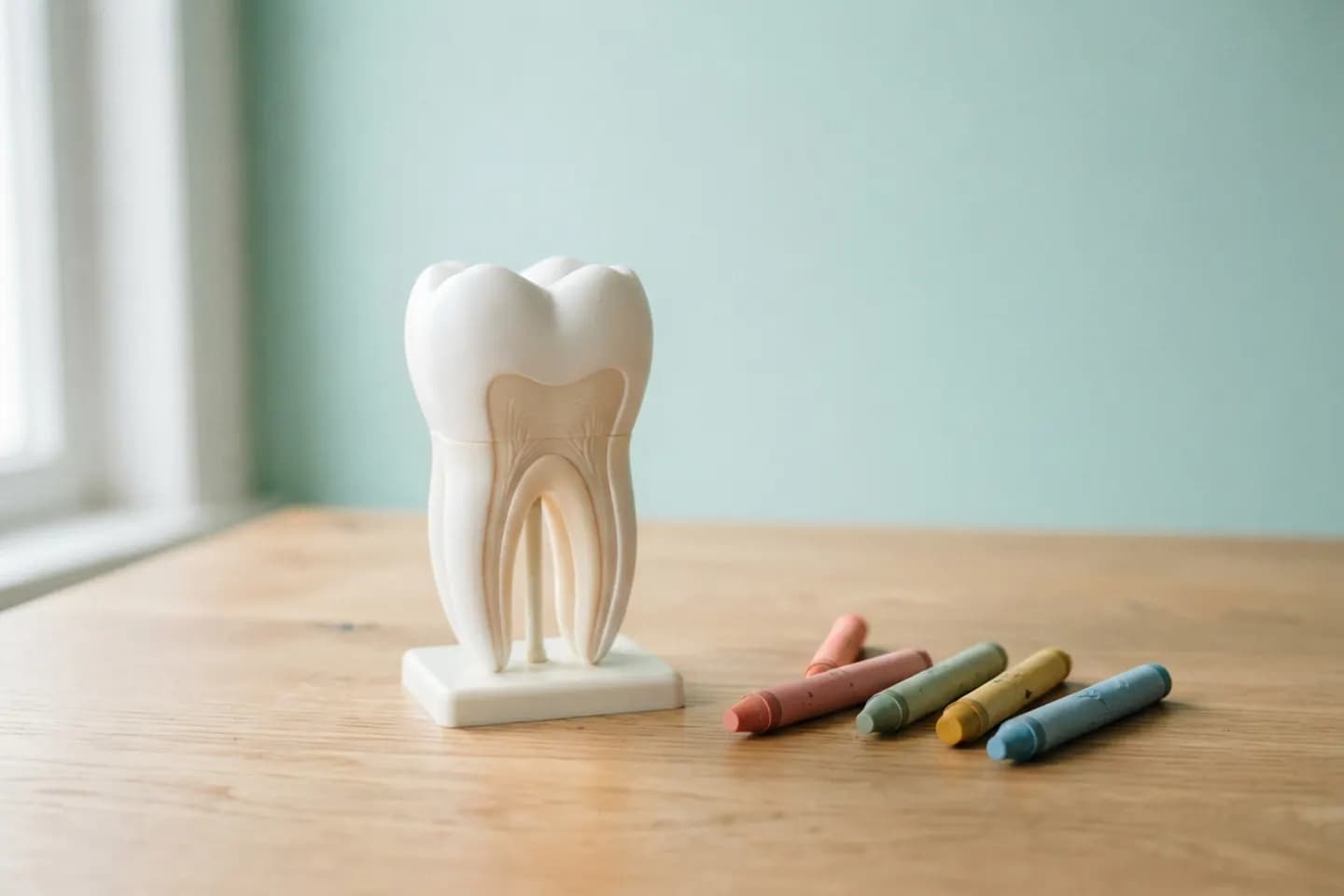
Fillings
Once decay has broken through the enamel, the damage is removed and the tooth is sealed again.
Learn more

Baby tooth root canal
When decay reaches the nerve, treating the pulp can keep a baby tooth in place until it falls out naturally.
Learn more

Pediatric crowns
When a filling has nothing left to hold on to, a preformed crown protects the tooth until it is replaced.
Learn more

Chalky teeth (MIH)
Porous enamel with sharply outlined patches, often sensitive and prone to decay. Treatment depends on severity.
Learn more

Dental trauma
A broken or knocked-out tooth is time-critical. What counts in the first few minutes — and afterwards.
Learn more

Space maintainers
When a baby tooth is lost too early, neighbouring teeth drift. A space maintainer holds the room for the permanent tooth.
Learn more
Where to start
If your child's teeth are healthy, prevention and cavity care is the right entry point. If this would be a first visit at all, read first dental visit instead.
With acute pain or after a fall, the order changes: then time matters. Call rather than research — the notes on the dental trauma page cover the first few minutes.
What these pages are — and are not
These pages explain procedures in pediatric dentistry in general terms. They are not a service list for this practice: the final scope will only be published once it has been confirmed with the practice.
If you want to know whether a specific procedure is available here, please ask directly. Until that is confirmed, it is not claimed on this site.
Questions about any of these topics?
What is actually right for your child can only be judged after an examination.